What it is and who needs it
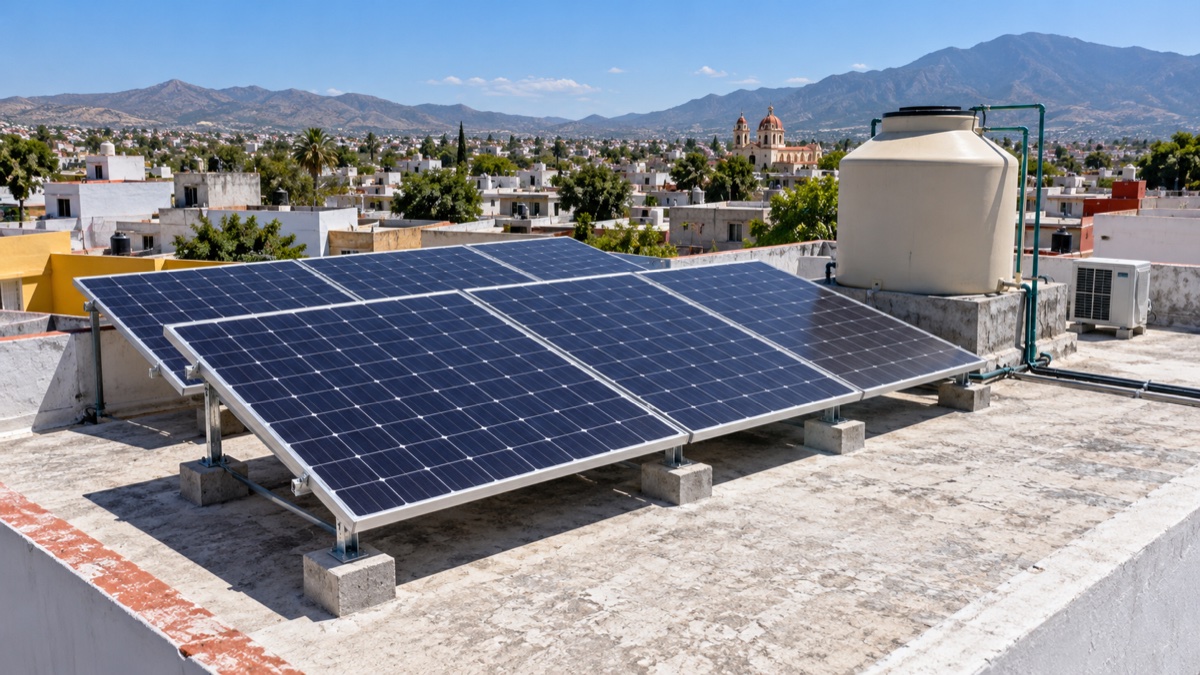
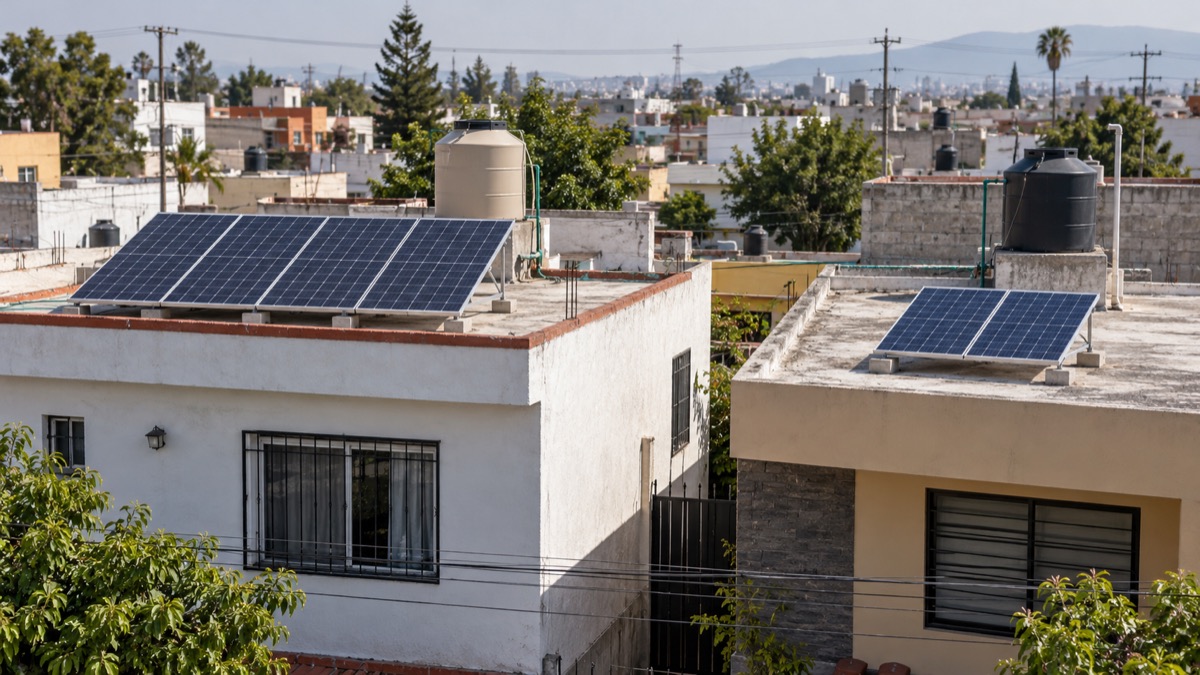
The interconnection contract (contrato de interconexión) is CFE's permission to connect your panels to the grid. Without it, you can't send energy to the grid or make use of what you have left over.
It is signed by any home or business that wants to generate with grid-tied panels, with a plant under 0.7 MW (700 kW). At that size the law calls it distributed generation, and the person generating an exempt generator: you don't need a generation permit, only this contract.
To give you an idea, 700 kW is more than 1,200 panels of 550 W. Almost every home and most small businesses fall below that.
The rules in this guide date from 2016 and 2017 and refer to plants under 0.5 MW. The 2025 law raised the limit to 0.7 MW and its regulations say new provisions are coming, but we found no sign they've been published. As of this guide's date, CFE still shows the same requirements and contracts. Before you start, confirm them at your CFE service center (Centro de Atención a Clientes) or by calling 071.
Source: Electricity Sector Law (Ley del Sector Eléctrico), article 25: distributed generation under 0.7 MW (unverified transcription; confirm in the official text) ↗The documents CFE asks for
This is the official list. Your installer usually prepares almost everything, but the application is yours and you should review it.
- The completed interconnection application form. It's Annex 2 of the Interconnection Manual (Manual de Interconexión).
- A sketch of the panels' location (croquis): where the service address is.
- A single-line diagram of the installation (diagrama unifilar): an electrical drawing showing how the panels, inverter, protections and meter connect. The installer makes it.
- The panels' data sheet.
- The inverter's data sheet and certificate.
- If you already have CFE service: a copy of your latest bill, with no past-due balance.
- If you don't have a bill: the Mobile User Registry (RMU) from your supply contract.
What it's worth bringing as well
Some installers report that the service window also asks for the account holder's official ID. It isn't on the Manual's list, but it's easy to bring. If someone else does the process for you, ask what document they need to represent you. Confirm beforehand, by calling 071, what your service center requires.
Check that the bill is in the correct name and up to date. A past-due balance, or a contract in someone else's name, is one of the easiest delays to avoid. This matters if you bought a home in Mexico and the service is still in the previous owner's name.
Source: ContrataBien: interconnection step by step; reported timeframes, not official ↗Where it's done and what it costs
The process is done only at the windows of CFE service centers (Centros de Atención a Clientes). You can ask how it's going by calling 071 or at the same window.
CFE says the process is free, but warns that if the grid needs to be evaluated, that evaluation could cost you. Ask before paying anything.
If you have a supply contract, the contract template says CFE covers the meter. If you don't, as with total sale, that cost is yours. What you always pay for is your installation and, if your installer charges for the paperwork, their handling.
Source: CFE: Supply contracting for interconnection applications (official brochure) ↗The process, step by step
These are the steps set by the Manual, explained simply.
- You submit the application and documents at the window, and CFE registers it.
- CFE checks your meter and whether there's capacity on your circuit.
- If no study is needed, you receive an official letter (oficio resolutivo) approving the connection.
- If a study or work is needed, you receive a budget letter (oficio de presupuesto), valid for two months.
- If your installation needs adjustments, such as moving the service entrance (acometida), you make them on your own.
- You sign the interconnection contract and the compensation contract (contraprestación), where you choose how your energy is credited.
- CFE replaces or programs your meter and connects your plant to the grid.
How long it takes
The Manual sets a maximum of 13 business days if no study or work is needed, and 18 if it is. That doesn't count time to build works or whatever is left to you.
In practice, some installers report 15 to 30 business days. It depends on the office and on the file arriving complete.
| Activity | Who does it | Business days |
|---|---|---|
| Registering the application | CFE Suministrador | 1 |
| Checking the meter | CFE Distribución | 2 |
| Approval letter, no study or work | CFE Distribución | 4 |
| Budget letter, with study or work | CFE Distribución | 10 |
| Document review | CFE Suministrador | 1 |
| Adjusting the service entrance, if needed | You | Up to you |
| Relocating the meter, if needed | CFE Distribución | 5 |
| Signing the contract | CFE Suministrador | 2 |
| Entry in the commercial system | CFE Suministrador | 1 |
If CFE takes too long or asks for work
At low voltage, with a typical connection scheme, the Manual says that if CFE misses the deadline and it wasn't your fault, the application is considered accepted. This is called afirmativa ficta. You have to declare under oath that you meet the technical requirements, so talk to your installer before using it.
If CFE determines that work is needed, the budget is valid for two months. If you think there's a cheaper solution, you have 10 business days to propose it, and CFE must answer within another 10.
Always ask for the answer in writing. That helps you file a claim and helps your installer quote correctly.
Source: Diario Oficial: Interconnection Manual for Generation Plants under 0.5 MW (December 15, 2016) ↗Technical requirements for the installation
Besides the paperwork, your installation has to meet the following. Ask your installer to state it in writing in the quote.
- An inverter certified to IEEE 1547 and UL 1741. With that certification, the rule treats the plant as certified. Without it, CFE can ask for tests by a laboratory or an inspection unit.
- Protections and a means of disconnection that allow the plant to be shut off if it fails, or if CFE asks in order to service the grid.
- An electrical installation that complies with NOM-001-SEDE, Mexico's wiring code.
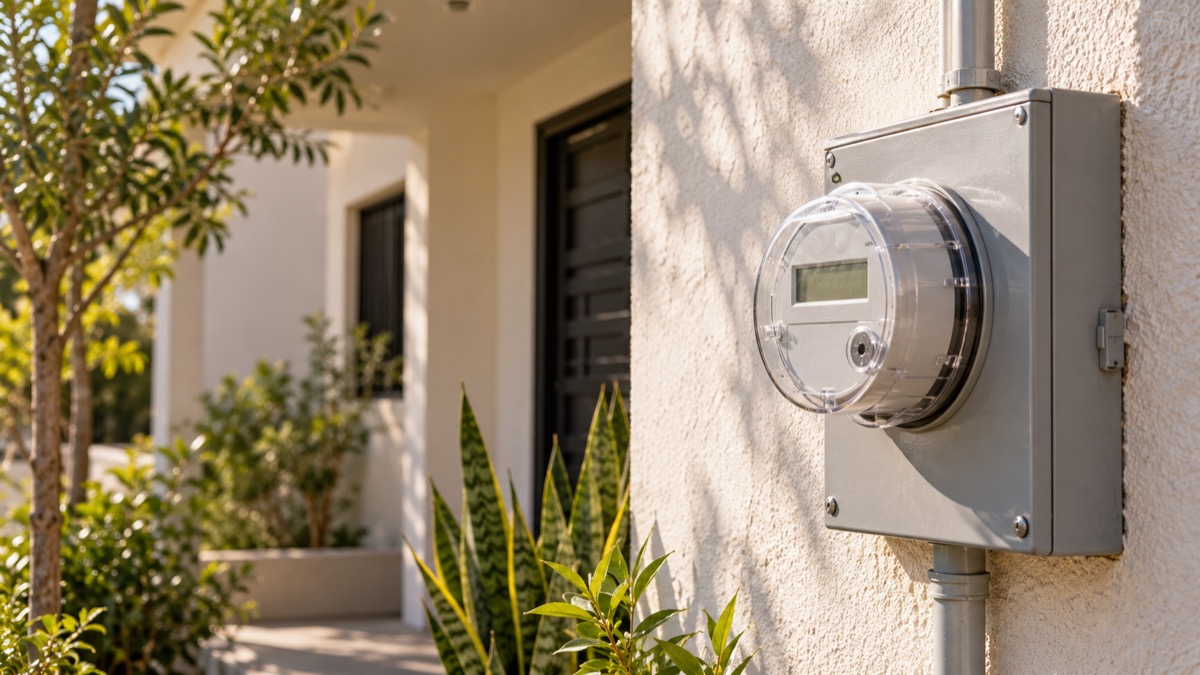
- A bidirectional meter. CFE can keep yours if it already complies and takes the required readings; if not, it replaces it.
- An inspection unit, only when requested. This is a third party that certifies the work, and it's normally required when additional infrastructure was involved.
What the contract obliges you to do
This isn't a one-time formality: you sign obligations that continue for as long as you have panels. The contract has no end date. It starts when the connection is made and lasts indefinitely.
- Maintain your plant according to the manufacturer's manuals.
- Not touch or modify CFE's equipment. If you do, you answer for the damage.
- Give access to inspection or verification units.
- Notify CFE within 48 hours if an unforeseeable event or force majeure affects your plant.
- Have the means to disconnect your plant.
- Not transfer the contract without authorization.
- Give 20 business days' notice if you want to end it.
If you move, sell or want more panels
If you sell the house, the contract can only be transferred as a whole. You have to give at least two months' notice, and whoever receives it must show they meet the requirements.
If you want to add panels, the Manual also applies when you change installed capacity, so it isn't just a matter of installing more. Notify CFE first, because your contract describes what was approved.
If you want to change arrangements, for example from net metering to net billing, you have to wait one year, sign a new contract and pay the costs of the change. If you're coming from an old small- or medium-scale contract and migrate, you can't go back to it.
To end it, give at least 20 business days' notice. CFE can also end it because of service needs, with the same notice, or if the rules aren't followed.
Source: Diario Oficial: Resolution RES/142/2017 on distributed generation, contract templates and compensation (March 7, 2017) ↗Check before you submit
Before going to the window, check the following.
- The bill is up to date and in the correct name.
- The application form is complete and matches the quote: same size, same equipment.
- The single-line diagram matches what will really be installed.
- You have the panels' data sheet, and the inverter's data sheet and certificate.
- You know which arrangement you'll choose: net metering, net billing or total sale.
- Your installer has stated in writing who handles the paperwork, what they charge and what happens if CFE asks for work.
Sources and scope
The numerical examples are hypothetical. Tariffs and conditions can change and depend on the service; check your bill and current sources before making a decision.
- Diario Oficial: Interconnection Manual for Generation Plants under 0.5 MW (December 15, 2016) ↗
- CFE: Supply contracting for interconnection applications (official brochure) ↗
- ContrataBien: interconnection step by step; reported timeframes, not official ↗
- Diario Oficial: Resolution RES/142/2017 on distributed generation, contract templates and compensation (March 7, 2017) ↗
- CFE: Interconnection contract for homes ↗
- Electricity Sector Law (Ley del Sector Eléctrico), article 25: distributed generation under 0.7 MW (unverified transcription; confirm in the official text) ↗
- Regulations of the Electricity Sector Law, article 47 (unverified transcription; confirm in the official text) ↗
- Energía Estratégica: new CNE contract template and the exception for under 0.7 MW (DOF, March 17, 2026) ↗