A pool can add hours of pumping
The circulation pump may run for several hours to move and filter the water. Its impact depends on power, scheduled hours, pump efficiency and system maintenance. Having a pool doesn't automatically mean a high bill: what matters is measuring how much electricity the pump uses and when it runs.
Look for the power rating on the motor plate and write down the real schedule. As an exercise, a 750 W pump that runs 5 hours a day for 30 days would use about 112.5 kWh: 750 × 5 × 30 ÷ 1,000. This is a hypothetical calculation; cycles, load and actual power can vary.
How much it changes with the hours
The pump is a good example of why hours matter so much. With the same hypothetical 750 W pump, this is what it would use in 30 days. If you are already in the excess step (excedente), you'll notice every hour you cut.
| Hours a day | kWh in 30 days |
|---|---|
| 4 | 90 |
| 5 | 112.5 |
| 8 | 180 |
| 12 | 270 |
Air conditioning: hours, temperature and climate change the result
Air conditioning can be a major load when it runs for many hours, especially with heat, poor ventilation, or an oversized or poorly maintained unit. Capacity in BTU isn't the same as monthly usage: check the label or manual, and keep in mind that the compressor cycles on and off.
Write down how many hours it runs per room, in which months and the thermostat setting. CONUEE, Mexico's energy efficiency agency, recommends keeping cooled spaces closed, cleaning filters and not cooling empty rooms. Those steps can help you use less without installing more solar equipment than you need.
Source: CONUEE: cooling and ventilation at home ↗Other equipment worth checking
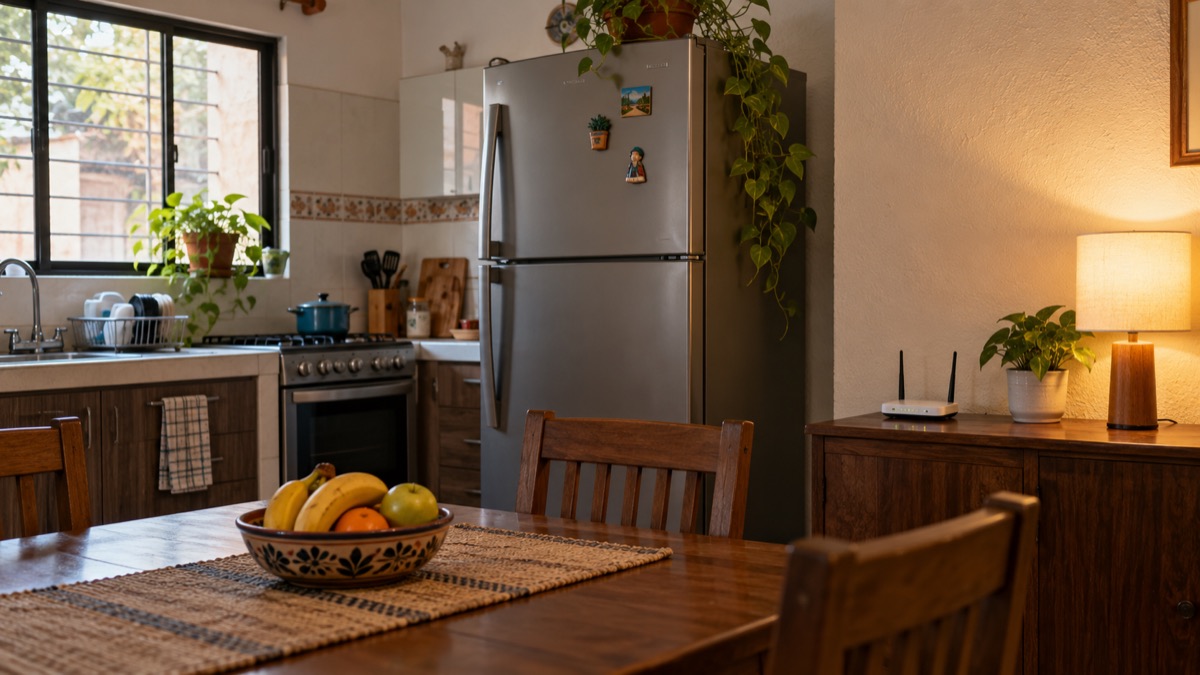
At home, the refrigerator stays plugged in all day, and its usage changes with age, temperature, seals and how often it is opened. Also check extra freezers, water pumps, electric water heaters, dryers, cooktops, ovens, washing machines and entertainment equipment. High power gets attention, but running time determines how many kWh add up.
CONUEE includes equipment such as refrigerators, lamps, washing machines, air conditioners and pumps in its usage and efficiency references. Use your specific model when it's available. Don't add up the maximum power of every appliance as if they all ran at once, and don't convert that total directly into pesos.
Source: CONUEE: energy use of equipment and appliances ↗What to look for on your bill to find patterns
Compare kWh and billed days across at least six periods, ideally twelve months. Work out kWh per day to compare bills of different lengths, and see whether the increase lines up with hot months, more people at home, a new pump or longer A/C hours. Also check your tariff and whether the service shows DAC.
A bill shows the total for the service, not how much each appliance used. To isolate a load, you can note the meter before and after a controlled period, use a compatible plug-in meter for small equipment, or get a professional measurement for fixed loads. Don't open electrical panels or handle live connections.
Source: CFE: explanation of DAC and rolling average usage ↗When to analyze solar panels
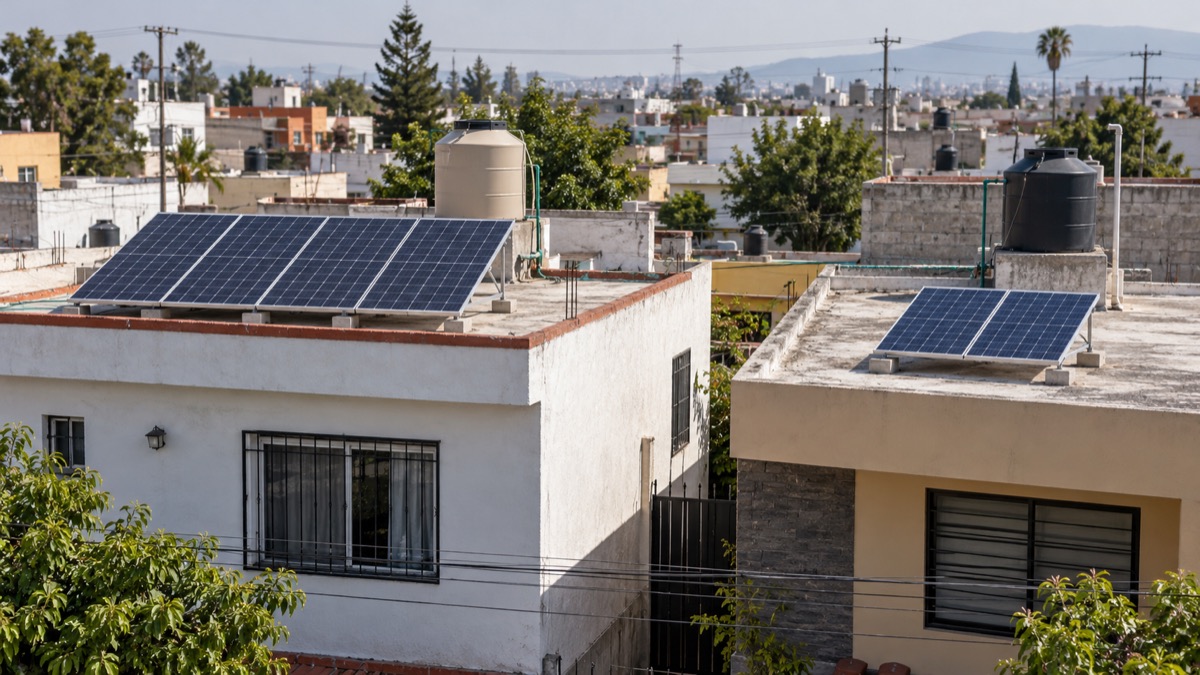
It's worth asking for an analysis if your history shows sustained high usage, you moved to DAC, your bills rise during the air conditioning months or you have equipment that runs for many hours. DAC and large loads help prioritize the assessment, but they aren't an automatic recommendation to buy.
Compare the proposed size with the usage you will have after making improvements. Anything extra you produce stays as a credit for up to 12 months, and after that it is paid at far less than it costs to buy. To request a proposal, have the following ready.
- 12 months of bills.
- A list of equipment and schedules.
- Location and photos of your roof.
- Estimated production by month and your bill with and without panels.
- Total investment and assumptions, in writing.
Make a simple list to start this week
This lets you separate three actions: cutting unnecessary hours, checking maintenance and estimating what part of your usage a solar system could cover. That way you avoid installing panels for waste you can fix first.
- For seven days, note which large equipment runs, for how many hours and at what time.
- Take photos of the data plates, without taking anything apart.
- On the refrigerator, look for the yearly usage on the label.
- Mark the hot months and any change that doesn't repeat all year.
- Compare with your kWh per day across several bills.
Sources and scope
The numerical examples are hypothetical. Tariffs and conditions can change and depend on the service; check your bill and current sources before making a decision.